Buy merging.eu ?
We are moving the project
merging.eu .
Are you interested in purchasing the domain
merging.eu ?
domain@kv-gmbh.de · 0541-91531010
Buy merging.eu ?
Is trypophobia a disease?
Trypophobia is not officially recognized as a disease by the medical community. It is more accurately described as a specific phobia, which is an intense and irrational fear of a specific object or situation. While trypophobia can cause significant distress and anxiety for those who experience it, it is not classified as a disease. Instead, it is considered a psychological condition that may benefit from therapy or other forms of treatment. **
Does anyone still have trypophobia?
Yes, trypophobia is still a recognized condition that affects some individuals. It is characterized by a fear or aversion to clusters of small holes or bumps. While not officially recognized as a specific phobia in the Diagnostic and Statistical Manual of Mental Disorders (DSM-5), many people still report experiencing symptoms of trypophobia. It is important for those who experience trypophobia to seek support from mental health professionals if it significantly impacts their daily life. **


Similar search terms for Trypophobia
Top-Angebote
Products related to Trypophobia:
-
Uplift Essentials Triple Safety AirTag Integration Collar mintKeep your pet protected with the ultimate hightech security accessory: the TripleSafety AirTag Integration Collar. This isn't just a stylish neckband; its a comprehensive tracking and identification system designed to give you total peace of mind....56,97 $*Shipping: 0,00 $Secure redirect to the provider
-
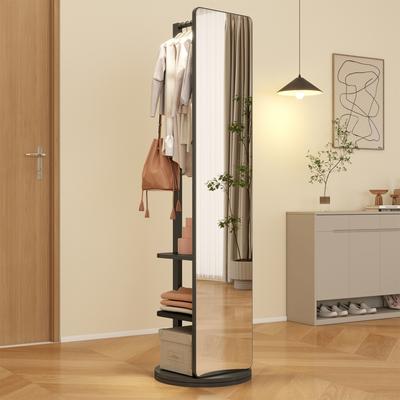
DEVERA Hanger and Full-length Mirror IntegrationSpecification Main Material: Rubber Wood,Solid Wood,Wood+Glass Product Style: American Design,Artsy,Beach,Contemporary,European Product Features Product Information: Full-length mirror, solid wood + rubber wood + glass, 68.8*19.6in (mirror width:...356,99 $*Shipping: 0,00 $Secure redirect to the provider
-
DEVERA Hanger and Full-length Mirror IntegrationSpecification Main Material: Rubber Wood,Solid Wood,Wood+Glass Product Style: American Design,Artsy,Beach,Contemporary,European Product Features Product Information: Full-length mirror, solid wood + rubber wood + glass, 68.8*19.6in (mirror width:...349,99 $*Shipping: 0,00 $Secure redirect to the provider


-
"Does trypophobia really affect me?"
If you find that you experience discomfort, anxiety, or distress when exposed to clusters of small holes or bumps, then it is possible that you may be affected by trypophobia. Common triggers for trypophobia include lotus seed pods, honeycombs, and certain types of coral. If you find that these types of images cause a strong emotional or physical reaction, it may be worth seeking support from a mental health professional to better understand and manage your response to trypophobia. **
-
What can be done for Trypophobia?
Treatment for trypophobia typically involves therapy and exposure-based techniques to help individuals manage their fear and anxiety. Cognitive-behavioral therapy (CBT) can be effective in helping individuals change their thought patterns and reactions to trypophobic triggers. Additionally, relaxation techniques and mindfulness practices may also be helpful in reducing anxiety and distress related to trypophobia. It's important for individuals with trypophobia to seek support from a mental health professional to develop a personalized treatment plan that addresses their specific needs and symptoms. **
-
What can I do about my trypophobia?
If you are experiencing trypophobia, it is important to seek support from a mental health professional, such as a therapist or counselor. They can help you understand your triggers and develop coping strategies to manage your symptoms. Additionally, practicing relaxation techniques, such as deep breathing or mindfulness, may help reduce anxiety related to trypophobia. It can also be helpful to avoid triggering images or situations as much as possible. **
-
How can one get rid of trypophobia?
There is no specific cure for trypophobia, as it is not officially recognized as a mental health condition. However, some people find relief through exposure therapy, where they gradually expose themselves to triggering images in a controlled environment to reduce their fear response. Cognitive-behavioral therapy (CBT) can also be helpful in managing the anxiety and distress associated with trypophobia. It's important to seek professional help from a therapist or mental health professional to develop a personalized treatment plan. **


What is trypophobia and what happens to the body?
Trypophobia is a fear or aversion to clusters of small holes or bumps. When someone with trypophobia sees these patterns, they may experience symptoms such as disgust, anxiety, or even panic attacks. These reactions are thought to be triggered by the brain associating the patterns with potential harm or danger, even though there is no actual threat present. **
Why do people with trypophobia have holes in their skin?
People with trypophobia do not actually have holes in their skin. Trypophobia is a fear or aversion to clusters of small holes or bumps, often found in natural objects like lotus seed pods or honeycombs. This fear is thought to be triggered by a subconscious association with danger or disease, as some poisonous animals or skin infections can have similar patterns. The reaction to these clustered holes is believed to be a primal response to potential harm. **
Top-Angebote
Products related to Trypophobia:
-
DEVERA Hanger and Full-length Mirror IntegrationSpecification Main Material: Rubber Wood,Solid Wood,Wood+Glass Product Style: American Design,Art Deco,Artsy,Contemporary,European Product Features Product Information: Full-length mirror, solid wood + rubber wood + glass, 65.7*17.7in (mirror width:…302,39 $*Shipping: 0,00 $Secure redirect to the provider
-
Sigma Beauty E35 Tapered Blending BrushBoasting long, slightly firm bristles, Sigma Beauty’s clever E35 brush is expertly designed to apply and blend transition shades at the crease for flawless dramatic eye looks. Provides sheer to medium coverage. Cruelty-free. Vegan.18,00 £*Shipping: 2,95 £Secure redirect to the provider
-
Uplift Essentials Triple Safety AirTag Integration Collar mintKeep your pet protected with the ultimate hightech security accessory: the TripleSafety AirTag Integration Collar. This isn't just a stylish neckband; its a comprehensive tracking and identification system designed to give you total peace of mind....56,97 $*Shipping: 0,00 $Secure redirect to the provider
-
Is trypophobia a disease?
Trypophobia is not officially recognized as a disease by the medical community. It is more accurately described as a specific phobia, which is an intense and irrational fear of a specific object or situation. While trypophobia can cause significant distress and anxiety for those who experience it, it is not classified as a disease. Instead, it is considered a psychological condition that may benefit from therapy or other forms of treatment. **
-
Does anyone still have trypophobia?
Yes, trypophobia is still a recognized condition that affects some individuals. It is characterized by a fear or aversion to clusters of small holes or bumps. While not officially recognized as a specific phobia in the Diagnostic and Statistical Manual of Mental Disorders (DSM-5), many people still report experiencing symptoms of trypophobia. It is important for those who experience trypophobia to seek support from mental health professionals if it significantly impacts their daily life. **
-
"Does trypophobia really affect me?"
If you find that you experience discomfort, anxiety, or distress when exposed to clusters of small holes or bumps, then it is possible that you may be affected by trypophobia. Common triggers for trypophobia include lotus seed pods, honeycombs, and certain types of coral. If you find that these types of images cause a strong emotional or physical reaction, it may be worth seeking support from a mental health professional to better understand and manage your response to trypophobia. **
-
What can be done for Trypophobia?
Treatment for trypophobia typically involves therapy and exposure-based techniques to help individuals manage their fear and anxiety. Cognitive-behavioral therapy (CBT) can be effective in helping individuals change their thought patterns and reactions to trypophobic triggers. Additionally, relaxation techniques and mindfulness practices may also be helpful in reducing anxiety and distress related to trypophobia. It's important for individuals with trypophobia to seek support from a mental health professional to develop a personalized treatment plan that addresses their specific needs and symptoms. **
Similar search terms for Trypophobia
-
DEVERA Hanger and Full-length Mirror IntegrationSpecification Main Material: Rubber Wood,Solid Wood,Wood+Glass Product Style: American Design,Artsy,Beach,Contemporary,European Product Features Product Information: Full-length mirror, solid wood + rubber wood + glass, 68.8*19.6in (mirror width:...356,99 $*Shipping: 0,00 $Secure redirect to the provider
-
DEVERA Hanger and Full-length Mirror IntegrationSpecification Main Material: Rubber Wood,Solid Wood,Wood+Glass Product Style: American Design,Artsy,Beach,Contemporary,European Product Features Product Information: Full-length mirror, solid wood + rubber wood + glass, 68.8*19.6in (mirror width:...349,99 $*Shipping: 0,00 $Secure redirect to the provider
-
Uplift Essentials Triple Safety AirTag Integration Collar redKeep your pet protected with the ultimate hightech security accessory: the TripleSafety AirTag Integration Collar. This isn't just a stylish neckband; its a comprehensive tracking and identification system designed to give you total peace of mind....56,97 $*Shipping: 0,00 $Secure redirect to the provider
-
Uplift Essentials Triple Safety AirTag Integration Collar purpleKeep your pet protected with the ultimate hightech security accessory: the TripleSafety AirTag Integration Collar. This isn't just a stylish neckband; its a comprehensive tracking and identification system designed to give you total peace of mind....56,97 $*Shipping: 0,00 $Secure redirect to the provider
-
What can I do about my trypophobia?
If you are experiencing trypophobia, it is important to seek support from a mental health professional, such as a therapist or counselor. They can help you understand your triggers and develop coping strategies to manage your symptoms. Additionally, practicing relaxation techniques, such as deep breathing or mindfulness, may help reduce anxiety related to trypophobia. It can also be helpful to avoid triggering images or situations as much as possible. **
-
How can one get rid of trypophobia?
There is no specific cure for trypophobia, as it is not officially recognized as a mental health condition. However, some people find relief through exposure therapy, where they gradually expose themselves to triggering images in a controlled environment to reduce their fear response. Cognitive-behavioral therapy (CBT) can also be helpful in managing the anxiety and distress associated with trypophobia. It's important to seek professional help from a therapist or mental health professional to develop a personalized treatment plan. **
-
What is trypophobia and what happens to the body?
Trypophobia is a fear or aversion to clusters of small holes or bumps. When someone with trypophobia sees these patterns, they may experience symptoms such as disgust, anxiety, or even panic attacks. These reactions are thought to be triggered by the brain associating the patterns with potential harm or danger, even though there is no actual threat present. **
-
Why do people with trypophobia have holes in their skin?
People with trypophobia do not actually have holes in their skin. Trypophobia is a fear or aversion to clusters of small holes or bumps, often found in natural objects like lotus seed pods or honeycombs. This fear is thought to be triggered by a subconscious association with danger or disease, as some poisonous animals or skin infections can have similar patterns. The reaction to these clustered holes is believed to be a primal response to potential harm. **
* All prices are inclusive of VAT and, if applicable, plus shipping costs. The offer information is based on the details provided by the respective shop and is updated through automated processes. Real-time updates do not occur, so deviations can occur in individual cases. ** Note: Parts of this content were created by AI.