Buy merging.eu ?
We are moving the project
merging.eu .
Are you interested in purchasing the domain
merging.eu ?
domain@kv-gmbh.de · 0541-91531010
Buy merging.eu ?
What is the difference between felt and nonwoven fabric?
Felt is a type of nonwoven fabric that is made by compressing and matting fibers together, usually wool or synthetic fibers, using heat, moisture, and pressure. Nonwoven fabric, on the other hand, refers to a broader category of fabrics that are made by bonding or interlocking fibers together without weaving or knitting. Felt specifically has a denser and more compact structure compared to other types of nonwoven fabrics, making it ideal for applications requiring durability and insulation. **
What are the different nonwoven fabrics made from SS, PP, and PE?
Nonwoven fabrics made from SS (spunbond/spunbond) are typically used for applications requiring high strength and durability, such as geotextiles, agriculture covers, and medical protective clothing. PP (polypropylene) nonwoven fabrics are known for their softness, breathability, and moisture resistance, making them suitable for use in hygiene products like diapers, sanitary napkins, and wipes. PE (polyethylene) nonwoven fabrics are often used in industrial applications due to their chemical resistance and barrier properties, such as in protective clothing, filtration materials, and packaging. **


Similar search terms for Nonwoven
Top-Angebote
Products related to Nonwoven:

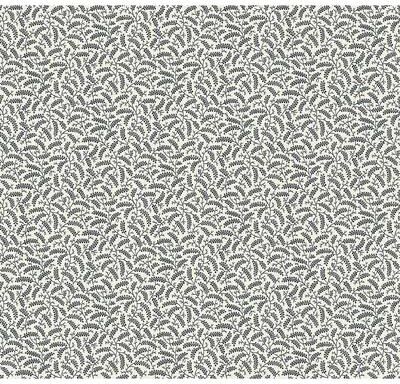
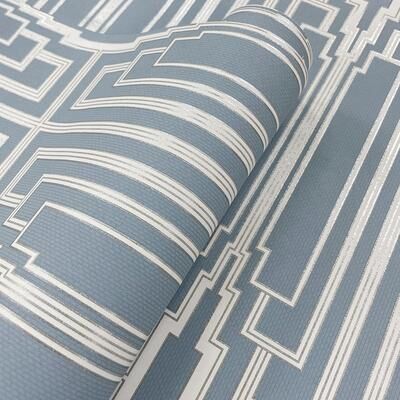

-
How is a double needled nonwoven fabric used as impact sound insulation under laminate?
A double needled nonwoven fabric is used as impact sound insulation under laminate flooring to reduce the transmission of impact noise, such as footsteps or dropped objects, from the floor above. The fabric is placed between the subfloor and the laminate flooring to absorb and dampen the impact energy, thereby reducing the sound transmitted through the floor. The double needled construction of the fabric provides enhanced density and thickness, which further improves its sound insulation properties. Overall, the fabric helps to create a quieter and more comfortable indoor environment by minimizing the impact noise associated with laminate flooring. **
-
What is the difference between data integration and data consolidation?
Data integration involves combining data from different sources and formats into a single, unified view. This process ensures that the data is consistent and can be easily accessed and analyzed. On the other hand, data consolidation involves gathering data from different sources and storing it in a centralized location. This process helps to eliminate data silos and provides a single source of truth for the organization. In summary, data integration focuses on combining data for analysis and usage, while data consolidation focuses on centralizing data storage. **
-
What is consolidation?
Consolidation is the process of combining separate entities or activities into a single, unified whole. This can refer to financial consolidation, where the financial statements of a parent company and its subsidiaries are combined into one set of financial statements. It can also refer to the merging of different departments or functions within an organization to streamline operations and improve efficiency. Overall, consolidation aims to create a more cohesive and integrated structure that can lead to better decision-making and performance. **
-
What does economic consolidation mean?
Economic consolidation refers to the process of combining or merging multiple companies or businesses into a single entity. This can lead to increased efficiency, cost savings, and market power. It often involves acquiring smaller companies to expand market share or diversify products and services. However, economic consolidation can also lead to reduced competition and potential monopolistic practices, which may have negative impacts on consumers and the overall economy. **
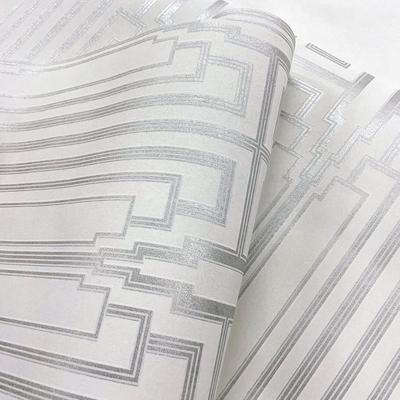
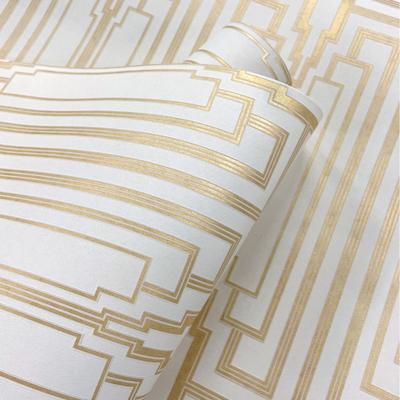
What is blending task 6?
Blending task 6 involves combining two or more different materials to create a homogeneous mixture. This can be done using various blending techniques such as mixing, stirring, or shaking. The goal of blending task 6 is to ensure that the different materials are evenly distributed throughout the mixture, resulting in a consistent final product. This process is commonly used in industries such as food processing, pharmaceuticals, and cosmetics. **
What is the Napoleonic land consolidation?
The Napoleonic land consolidation was a policy implemented by Napoleon Bonaparte in the early 19th century in France. It aimed to consolidate fragmented land holdings into larger, more efficient farms to increase agricultural productivity and promote economic development. This policy involved redistributing land from small landowners to larger landowners, often through forced sales or expropriation. The Napoleonic land consolidation had a significant impact on the French countryside, leading to the concentration of land ownership and the displacement of many small farmers. **
Top-Angebote
Products related to Nonwoven:
-
DII Nonwoven Polyester Cube PineappleTake Back Your Space with DII Storage Bins Non-Woven storage bins are a fun and creative way to organize and store toys, clothes, blankets, towels, books, knick knacks and more. Tired of clutter in the kids room, living room, or laundry room?21,99 $*Shipping: 0,00 $Secure redirect to the provider
-
What is the difference between felt and nonwoven fabric?
Felt is a type of nonwoven fabric that is made by compressing and matting fibers together, usually wool or synthetic fibers, using heat, moisture, and pressure. Nonwoven fabric, on the other hand, refers to a broader category of fabrics that are made by bonding or interlocking fibers together without weaving or knitting. Felt specifically has a denser and more compact structure compared to other types of nonwoven fabrics, making it ideal for applications requiring durability and insulation. **
-
What are the different nonwoven fabrics made from SS, PP, and PE?
Nonwoven fabrics made from SS (spunbond/spunbond) are typically used for applications requiring high strength and durability, such as geotextiles, agriculture covers, and medical protective clothing. PP (polypropylene) nonwoven fabrics are known for their softness, breathability, and moisture resistance, making them suitable for use in hygiene products like diapers, sanitary napkins, and wipes. PE (polyethylene) nonwoven fabrics are often used in industrial applications due to their chemical resistance and barrier properties, such as in protective clothing, filtration materials, and packaging. **
-
How is a double needled nonwoven fabric used as impact sound insulation under laminate?
A double needled nonwoven fabric is used as impact sound insulation under laminate flooring to reduce the transmission of impact noise, such as footsteps or dropped objects, from the floor above. The fabric is placed between the subfloor and the laminate flooring to absorb and dampen the impact energy, thereby reducing the sound transmitted through the floor. The double needled construction of the fabric provides enhanced density and thickness, which further improves its sound insulation properties. Overall, the fabric helps to create a quieter and more comfortable indoor environment by minimizing the impact noise associated with laminate flooring. **
-
What is the difference between data integration and data consolidation?
Data integration involves combining data from different sources and formats into a single, unified view. This process ensures that the data is consistent and can be easily accessed and analyzed. On the other hand, data consolidation involves gathering data from different sources and storing it in a centralized location. This process helps to eliminate data silos and provides a single source of truth for the organization. In summary, data integration focuses on combining data for analysis and usage, while data consolidation focuses on centralizing data storage. **
Similar search terms for Nonwoven
-
What is consolidation?
Consolidation is the process of combining separate entities or activities into a single, unified whole. This can refer to financial consolidation, where the financial statements of a parent company and its subsidiaries are combined into one set of financial statements. It can also refer to the merging of different departments or functions within an organization to streamline operations and improve efficiency. Overall, consolidation aims to create a more cohesive and integrated structure that can lead to better decision-making and performance. **
-
What does economic consolidation mean?
Economic consolidation refers to the process of combining or merging multiple companies or businesses into a single entity. This can lead to increased efficiency, cost savings, and market power. It often involves acquiring smaller companies to expand market share or diversify products and services. However, economic consolidation can also lead to reduced competition and potential monopolistic practices, which may have negative impacts on consumers and the overall economy. **
-
What is blending task 6?
Blending task 6 involves combining two or more different materials to create a homogeneous mixture. This can be done using various blending techniques such as mixing, stirring, or shaking. The goal of blending task 6 is to ensure that the different materials are evenly distributed throughout the mixture, resulting in a consistent final product. This process is commonly used in industries such as food processing, pharmaceuticals, and cosmetics. **
-
What is the Napoleonic land consolidation?
The Napoleonic land consolidation was a policy implemented by Napoleon Bonaparte in the early 19th century in France. It aimed to consolidate fragmented land holdings into larger, more efficient farms to increase agricultural productivity and promote economic development. This policy involved redistributing land from small landowners to larger landowners, often through forced sales or expropriation. The Napoleonic land consolidation had a significant impact on the French countryside, leading to the concentration of land ownership and the displacement of many small farmers. **
* All prices are inclusive of VAT and, if applicable, plus shipping costs. The offer information is based on the details provided by the respective shop and is updated through automated processes. Real-time updates do not occur, so deviations can occur in individual cases. ** Note: Parts of this content were created by AI.