Buy merging.eu ?
We are moving the project
merging.eu .
Are you interested in purchasing the domain
merging.eu ?
domain@kv-gmbh.de · 0541-91531010
Buy merging.eu ?
What is the Mangan classification of degenerative disorders?
The Mangan classification of degenerative disorders categorizes these disorders into three main groups: cortical, subcortical, and mixed. Cortical degenerative disorders primarily affect the cerebral cortex, leading to impairments in cognitive and motor functions. Subcortical degenerative disorders primarily affect the structures beneath the cortex, leading to disturbances in movement, coordination, and emotion. Mixed degenerative disorders involve a combination of cortical and subcortical pathology, resulting in a wide range of symptoms affecting both cognitive and motor functions. This classification helps to organize and understand the diverse array of degenerative disorders based on their underlying neuroanatomical and clinical features. **
What is the degenerative meniscopathy grade II of the inner meniscus posterior horn?
Degenerative meniscopathy grade II of the inner meniscus posterior horn refers to a specific type of damage and degeneration of the inner portion of the meniscus, which is a C-shaped piece of cartilage in the knee joint. This grade indicates moderate degeneration, with changes to the structure and integrity of the meniscus. It may be associated with symptoms such as pain, swelling, and limited range of motion in the knee joint. Treatment options may include physical therapy, anti-inflammatory medications, and in some cases, surgical intervention. **

Similar search terms for Degenerative
Top-Angebote
Products related to Degenerative:
-
Sigma Beauty E35 Tapered Blending BrushBoasting long, slightly firm bristles, Sigma Beauty’s clever E35 brush is expertly designed to apply and blend transition shades at the crease for flawless dramatic eye looks. Provides sheer to medium coverage. Cruelty-free. Vegan.18,00 £*Shipping: 2,95 £Secure redirect to the provider
-
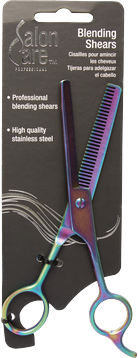
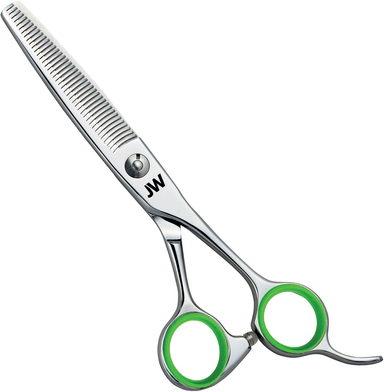
Joewell JW Shears Craft CT40 Blending ShearThe JW Shears Craft CT40 Hair Thinning Shears are designed to thin hair smoothly and evenly without causing distress to fingers or hands. Made from premium stainless steel, the Craft CT40 Thinning Shears have an offset handle design, convex edge...79,99 $*Shipping: 0,00 $Secure redirect to the provider
-
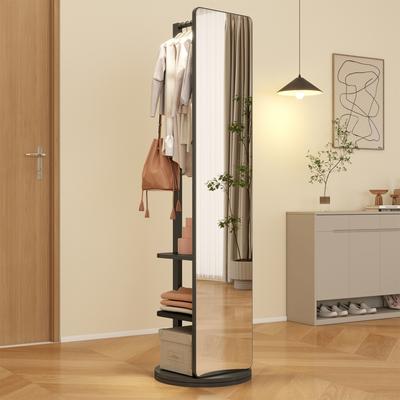
DEVERA Hanger and Full-length Mirror IntegrationSpecification Main Material: Rubber Wood,Solid Wood,Wood+Glass Product Style: American Design,Artsy,Beach,Contemporary,European Product Features Product Information: Full-length mirror, solid wood + rubber wood + glass, 68.8*19.6in (mirror width:...356,99 $*Shipping: 0,00 $Secure redirect to the provider


-
What is the degenerative meniscopathy Grade II of the posterior horn of the medial meniscus?
Degenerative meniscopathy Grade II of the posterior horn of the medial meniscus refers to a specific classification of damage to the cartilage in the knee joint. In this case, Grade II indicates moderate degeneration of the meniscus tissue in the back part of the medial meniscus. This condition can cause pain, swelling, and limited range of motion in the knee, and if left untreated, it may progress to more severe stages of degeneration. Treatment options for Grade II degenerative meniscopathy may include physical therapy, anti-inflammatory medications, and in some cases, surgery. **
-
What is the difference between data integration and data consolidation?
Data integration involves combining data from different sources and formats into a single, unified view. This process ensures that the data is consistent and can be easily accessed and analyzed. On the other hand, data consolidation involves gathering data from different sources and storing it in a centralized location. This process helps to eliminate data silos and provides a single source of truth for the organization. In summary, data integration focuses on combining data for analysis and usage, while data consolidation focuses on centralizing data storage. **
-
What is consolidation?
Consolidation is the process of combining separate entities or activities into a single, unified whole. This can refer to financial consolidation, where the financial statements of a parent company and its subsidiaries are combined into one set of financial statements. It can also refer to the merging of different departments or functions within an organization to streamline operations and improve efficiency. Overall, consolidation aims to create a more cohesive and integrated structure that can lead to better decision-making and performance. **
-
What does economic consolidation mean?
Economic consolidation refers to the process of combining or merging multiple companies or businesses into a single entity. This can lead to increased efficiency, cost savings, and market power. It often involves acquiring smaller companies to expand market share or diversify products and services. However, economic consolidation can also lead to reduced competition and potential monopolistic practices, which may have negative impacts on consumers and the overall economy. **


What is blending task 6?
Blending task 6 involves combining two or more different materials to create a homogeneous mixture. This can be done using various blending techniques such as mixing, stirring, or shaking. The goal of blending task 6 is to ensure that the different materials are evenly distributed throughout the mixture, resulting in a consistent final product. This process is commonly used in industries such as food processing, pharmaceuticals, and cosmetics. **
What is the Napoleonic land consolidation?
The Napoleonic land consolidation was a policy implemented by Napoleon Bonaparte in the early 19th century in France. It aimed to consolidate fragmented land holdings into larger, more efficient farms to increase agricultural productivity and promote economic development. This policy involved redistributing land from small landowners to larger landowners, often through forced sales or expropriation. The Napoleonic land consolidation had a significant impact on the French countryside, leading to the concentration of land ownership and the displacement of many small farmers. **
Top-Angebote
Products related to Degenerative:
-
DEVERA Hanger and Full-length Mirror IntegrationSpecification Main Material: Rubber Wood,Solid Wood,Wood+Glass Product Style: American Design,Artsy,Beach,Contemporary,European Product Features Product Information: Full-length mirror, solid wood + rubber wood + glass, 68.8*19.6in (mirror width:...349,99 $*Shipping: 0,00 $Secure redirect to the provider
-
Uplift Essentials Triple Safety AirTag Integration Collar mintKeep your pet protected with the ultimate hightech security accessory: the TripleSafety AirTag Integration Collar. This isn't just a stylish neckband; its a comprehensive tracking and identification system designed to give you total peace of mind....56,97 $*Shipping: 0,00 $Secure redirect to the provider
-
Sigma Beauty E35 Tapered Blending BrushBoasting long, slightly firm bristles, Sigma Beauty’s clever E35 brush is expertly designed to apply and blend transition shades at the crease for flawless dramatic eye looks. Provides sheer to medium coverage. Cruelty-free. Vegan.18,00 £*Shipping: 2,95 £Secure redirect to the provider
-
What is the Mangan classification of degenerative disorders?
The Mangan classification of degenerative disorders categorizes these disorders into three main groups: cortical, subcortical, and mixed. Cortical degenerative disorders primarily affect the cerebral cortex, leading to impairments in cognitive and motor functions. Subcortical degenerative disorders primarily affect the structures beneath the cortex, leading to disturbances in movement, coordination, and emotion. Mixed degenerative disorders involve a combination of cortical and subcortical pathology, resulting in a wide range of symptoms affecting both cognitive and motor functions. This classification helps to organize and understand the diverse array of degenerative disorders based on their underlying neuroanatomical and clinical features. **
-
What is the degenerative meniscopathy grade II of the inner meniscus posterior horn?
Degenerative meniscopathy grade II of the inner meniscus posterior horn refers to a specific type of damage and degeneration of the inner portion of the meniscus, which is a C-shaped piece of cartilage in the knee joint. This grade indicates moderate degeneration, with changes to the structure and integrity of the meniscus. It may be associated with symptoms such as pain, swelling, and limited range of motion in the knee joint. Treatment options may include physical therapy, anti-inflammatory medications, and in some cases, surgical intervention. **
-
What is the degenerative meniscopathy Grade II of the posterior horn of the medial meniscus?
Degenerative meniscopathy Grade II of the posterior horn of the medial meniscus refers to a specific classification of damage to the cartilage in the knee joint. In this case, Grade II indicates moderate degeneration of the meniscus tissue in the back part of the medial meniscus. This condition can cause pain, swelling, and limited range of motion in the knee, and if left untreated, it may progress to more severe stages of degeneration. Treatment options for Grade II degenerative meniscopathy may include physical therapy, anti-inflammatory medications, and in some cases, surgery. **
-
What is the difference between data integration and data consolidation?
Data integration involves combining data from different sources and formats into a single, unified view. This process ensures that the data is consistent and can be easily accessed and analyzed. On the other hand, data consolidation involves gathering data from different sources and storing it in a centralized location. This process helps to eliminate data silos and provides a single source of truth for the organization. In summary, data integration focuses on combining data for analysis and usage, while data consolidation focuses on centralizing data storage. **
Similar search terms for Degenerative
-
Joewell JW Shears Craft CT40 Blending ShearThe JW Shears Craft CT40 Hair Thinning Shears are designed to thin hair smoothly and evenly without causing distress to fingers or hands. Made from premium stainless steel, the Craft CT40 Thinning Shears have an offset handle design, convex edge...79,99 $*Shipping: 0,00 $Secure redirect to the provider
-
DEVERA Hanger and Full-length Mirror IntegrationSpecification Main Material: Rubber Wood,Solid Wood,Wood+Glass Product Style: American Design,Artsy,Beach,Contemporary,European Product Features Product Information: Full-length mirror, solid wood + rubber wood + glass, 68.8*19.6in (mirror width:...356,99 $*Shipping: 0,00 $Secure redirect to the provider
-
Uplift Essentials Triple Safety AirTag Integration Collar blackKeep your pet protected with the ultimate hightech security accessory: the TripleSafety AirTag Integration Collar. This isn't just a stylish neckband; its a comprehensive tracking and identification system designed to give you total peace of mind....56,97 $*Shipping: 0,00 $Secure redirect to the provider
-
Uplift Essentials Triple Safety AirTag Integration Collar pinkKeep your pet protected with the ultimate hightech security accessory: the TripleSafety AirTag Integration Collar. This isn't just a stylish neckband; its a comprehensive tracking and identification system designed to give you total peace of mind....56,97 $*Shipping: 0,00 $Secure redirect to the provider
-
What is consolidation?
Consolidation is the process of combining separate entities or activities into a single, unified whole. This can refer to financial consolidation, where the financial statements of a parent company and its subsidiaries are combined into one set of financial statements. It can also refer to the merging of different departments or functions within an organization to streamline operations and improve efficiency. Overall, consolidation aims to create a more cohesive and integrated structure that can lead to better decision-making and performance. **
-
What does economic consolidation mean?
Economic consolidation refers to the process of combining or merging multiple companies or businesses into a single entity. This can lead to increased efficiency, cost savings, and market power. It often involves acquiring smaller companies to expand market share or diversify products and services. However, economic consolidation can also lead to reduced competition and potential monopolistic practices, which may have negative impacts on consumers and the overall economy. **
-
What is blending task 6?
Blending task 6 involves combining two or more different materials to create a homogeneous mixture. This can be done using various blending techniques such as mixing, stirring, or shaking. The goal of blending task 6 is to ensure that the different materials are evenly distributed throughout the mixture, resulting in a consistent final product. This process is commonly used in industries such as food processing, pharmaceuticals, and cosmetics. **
-
What is the Napoleonic land consolidation?
The Napoleonic land consolidation was a policy implemented by Napoleon Bonaparte in the early 19th century in France. It aimed to consolidate fragmented land holdings into larger, more efficient farms to increase agricultural productivity and promote economic development. This policy involved redistributing land from small landowners to larger landowners, often through forced sales or expropriation. The Napoleonic land consolidation had a significant impact on the French countryside, leading to the concentration of land ownership and the displacement of many small farmers. **
* All prices are inclusive of VAT and, if applicable, plus shipping costs. The offer information is based on the details provided by the respective shop and is updated through automated processes. Real-time updates do not occur, so deviations can occur in individual cases. ** Note: Parts of this content were created by AI.