Buy merging.eu ?
We are moving the project
merging.eu .
Are you interested in purchasing the domain
merging.eu ?
domain@kv-gmbh.de · 0541-91531010
Buy merging.eu ?
Are figs carnivorous plants?
No, figs are not carnivorous plants. Figs are actually a type of fruit that grows on the Ficus tree. They are not capable of trapping, killing, and digesting insects or other small animals like true carnivorous plants such as Venus flytraps or pitcher plants. Figs rely on animals to help with pollination and dispersal of their seeds, but they do not consume animals for nutrients. **
Are there carnivorous monkeys?
Yes, there are carnivorous monkeys. One example is the rare and endangered Colombian white-faced capuchin, which has been observed hunting and eating small mammals such as squirrels and birds. Another example is the black-capped capuchin, which has been observed hunting and eating small vertebrates like birds, lizards, and even bats. While most monkeys are primarily herbivorous, there are some species that have been observed exhibiting carnivorous behavior. **


Similar search terms for Carnivorous
Top-Angebote
Products related to Carnivorous:
-
Sigma Beauty E35 Tapered Blending BrushBoasting long, slightly firm bristles, Sigma Beauty’s clever E35 brush is expertly designed to apply and blend transition shades at the crease for flawless dramatic eye looks. Provides sheer to medium coverage. Cruelty-free. Vegan.18,00 £*Shipping: 2,95 £Secure redirect to the provider
-
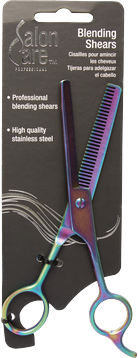
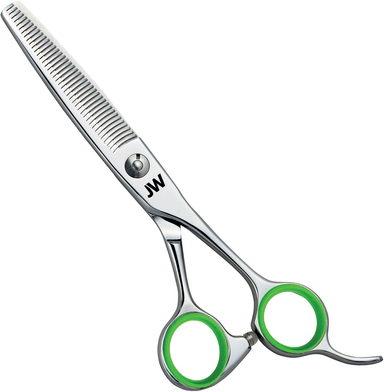
Joewell JW Shears Craft CT40 Blending ShearThe JW Shears Craft CT40 Hair Thinning Shears are designed to thin hair smoothly and evenly without causing distress to fingers or hands. Made from premium stainless steel, the Craft CT40 Thinning Shears have an offset handle design, convex edge...79,99 $*Shipping: 0,00 $Secure redirect to the provider
-
DEVERA Hanger and Full-length Mirror IntegrationSpecification Main Material: Rubber Wood,Solid Wood,Wood+Glass Product Style: American Design,Artsy,Beach,Contemporary,European Product Features Product Information: Full-length mirror, solid wood + rubber wood + glass, 68.8*19.6in (mirror width:...356,99 $*Shipping: 0,00 $Secure redirect to the provider


-
Can carnivorous plants poop?
Carnivorous plants do not have a digestive system like animals do, so they do not produce waste in the same way. Instead, they absorb nutrients from the insects and other small organisms they capture and digest. Any undigested parts of their prey are typically left as a husk or excreted in a form that does not resemble animal waste. Therefore, carnivorous plants do not "poop" in the traditional sense. **
-
What are carnivorous animals?
Carnivorous animals are animals that primarily feed on the flesh of other animals. They have evolved to have sharp teeth and claws for hunting and killing prey. Examples of carnivorous animals include lions, tigers, wolves, and eagles. These animals play an important role in maintaining the balance of ecosystems by controlling the population of herbivorous animals. **
-
Representative species of carnivorous plants
Some representative species of carnivorous plants include: 1. Venus flytrap (Dionaea muscipula) 2. Pitcher plant (Nepenthes spp.) 3. Sundew (Drosera spp.) 4. Bladderwort (Utricularia spp.) 5. Cobra plant (Darlingtonia californica) **
-
Do carnivorous plants bite fingers?
No, carnivorous plants do not bite fingers. While some carnivorous plants have mechanisms to trap and digest insects, they are not capable of biting or harming larger organisms like humans. These plants typically use specialized structures such as sticky hairs, pitfall traps, or suction traps to capture their prey. It is important to handle carnivorous plants with care to avoid damaging their delicate structures. **


Do plants eat carnivorous animals?
No, plants do not eat carnivorous animals. Carnivorous plants, such as Venus flytraps and pitcher plants, have evolved to capture and digest small insects and other organisms as a way to supplement their nutrient intake, particularly in nutrient-poor environments. However, they do not actively seek out and consume larger carnivorous animals. Plants primarily obtain their nutrients through photosynthesis and absorption from the soil. **
"Will my carnivorous plant die?"
Carnivorous plants can die if they are not properly cared for. It is important to provide them with the right growing conditions, such as the right soil, water, and sunlight. Additionally, feeding them the appropriate insects or using a fertilizer specifically designed for carnivorous plants can help ensure their survival. Regular monitoring and maintenance are also important to keep the plant healthy and thriving. **
Top-Angebote
Products related to Carnivorous:
-
DEVERA Hanger and Full-length Mirror IntegrationSpecification Main Material: Rubber Wood,Solid Wood,Wood+Glass Product Style: American Design,Artsy,Beach,Contemporary,European Product Features Product Information: Full-length mirror, solid wood + rubber wood + glass, 68.8*19.6in (mirror width:...349,99 $*Shipping: 0,00 $Secure redirect to the provider
-
Uplift Essentials Triple Safety AirTag Integration Collar mintKeep your pet protected with the ultimate hightech security accessory: the TripleSafety AirTag Integration Collar. This isn't just a stylish neckband; its a comprehensive tracking and identification system designed to give you total peace of mind....56,97 $*Shipping: 0,00 $Secure redirect to the provider
-
Sigma Beauty E35 Tapered Blending BrushBoasting long, slightly firm bristles, Sigma Beauty’s clever E35 brush is expertly designed to apply and blend transition shades at the crease for flawless dramatic eye looks. Provides sheer to medium coverage. Cruelty-free. Vegan.18,00 £*Shipping: 2,95 £Secure redirect to the provider
-
Are figs carnivorous plants?
No, figs are not carnivorous plants. Figs are actually a type of fruit that grows on the Ficus tree. They are not capable of trapping, killing, and digesting insects or other small animals like true carnivorous plants such as Venus flytraps or pitcher plants. Figs rely on animals to help with pollination and dispersal of their seeds, but they do not consume animals for nutrients. **
-
Are there carnivorous monkeys?
Yes, there are carnivorous monkeys. One example is the rare and endangered Colombian white-faced capuchin, which has been observed hunting and eating small mammals such as squirrels and birds. Another example is the black-capped capuchin, which has been observed hunting and eating small vertebrates like birds, lizards, and even bats. While most monkeys are primarily herbivorous, there are some species that have been observed exhibiting carnivorous behavior. **
-
Can carnivorous plants poop?
Carnivorous plants do not have a digestive system like animals do, so they do not produce waste in the same way. Instead, they absorb nutrients from the insects and other small organisms they capture and digest. Any undigested parts of their prey are typically left as a husk or excreted in a form that does not resemble animal waste. Therefore, carnivorous plants do not "poop" in the traditional sense. **
-
What are carnivorous animals?
Carnivorous animals are animals that primarily feed on the flesh of other animals. They have evolved to have sharp teeth and claws for hunting and killing prey. Examples of carnivorous animals include lions, tigers, wolves, and eagles. These animals play an important role in maintaining the balance of ecosystems by controlling the population of herbivorous animals. **
Similar search terms for Carnivorous
-
Joewell JW Shears Craft CT40 Blending ShearThe JW Shears Craft CT40 Hair Thinning Shears are designed to thin hair smoothly and evenly without causing distress to fingers or hands. Made from premium stainless steel, the Craft CT40 Thinning Shears have an offset handle design, convex edge...79,99 $*Shipping: 0,00 $Secure redirect to the provider
-
DEVERA Hanger and Full-length Mirror IntegrationSpecification Main Material: Rubber Wood,Solid Wood,Wood+Glass Product Style: American Design,Artsy,Beach,Contemporary,European Product Features Product Information: Full-length mirror, solid wood + rubber wood + glass, 68.8*19.6in (mirror width:...356,99 $*Shipping: 0,00 $Secure redirect to the provider
-
Uplift Essentials Triple Safety AirTag Integration Collar blackKeep your pet protected with the ultimate hightech security accessory: the TripleSafety AirTag Integration Collar. This isn't just a stylish neckband; its a comprehensive tracking and identification system designed to give you total peace of mind....56,97 $*Shipping: 0,00 $Secure redirect to the provider
-
Uplift Essentials Triple Safety AirTag Integration Collar pinkKeep your pet protected with the ultimate hightech security accessory: the TripleSafety AirTag Integration Collar. This isn't just a stylish neckband; its a comprehensive tracking and identification system designed to give you total peace of mind....56,97 $*Shipping: 0,00 $Secure redirect to the provider
-
Representative species of carnivorous plants
Some representative species of carnivorous plants include: 1. Venus flytrap (Dionaea muscipula) 2. Pitcher plant (Nepenthes spp.) 3. Sundew (Drosera spp.) 4. Bladderwort (Utricularia spp.) 5. Cobra plant (Darlingtonia californica) **
-
Do carnivorous plants bite fingers?
No, carnivorous plants do not bite fingers. While some carnivorous plants have mechanisms to trap and digest insects, they are not capable of biting or harming larger organisms like humans. These plants typically use specialized structures such as sticky hairs, pitfall traps, or suction traps to capture their prey. It is important to handle carnivorous plants with care to avoid damaging their delicate structures. **
-
Do plants eat carnivorous animals?
No, plants do not eat carnivorous animals. Carnivorous plants, such as Venus flytraps and pitcher plants, have evolved to capture and digest small insects and other organisms as a way to supplement their nutrient intake, particularly in nutrient-poor environments. However, they do not actively seek out and consume larger carnivorous animals. Plants primarily obtain their nutrients through photosynthesis and absorption from the soil. **
-
"Will my carnivorous plant die?"
Carnivorous plants can die if they are not properly cared for. It is important to provide them with the right growing conditions, such as the right soil, water, and sunlight. Additionally, feeding them the appropriate insects or using a fertilizer specifically designed for carnivorous plants can help ensure their survival. Regular monitoring and maintenance are also important to keep the plant healthy and thriving. **
* All prices are inclusive of VAT and, if applicable, plus shipping costs. The offer information is based on the details provided by the respective shop and is updated through automated processes. Real-time updates do not occur, so deviations can occur in individual cases. ** Note: Parts of this content were created by AI.