Buy merging.eu ?
We are moving the project
merging.eu .
Are you interested in purchasing the domain
merging.eu ?
domain@kv-gmbh.de · 0541-91531010
Buy merging.eu ?
What does the cartoon history of Western integration mean?
The cartoon history of Western integration depicts the gradual process of unification and cooperation among Western countries. It shows how the European Union has evolved from the initial formation of the European Coal and Steel Community to the establishment of a single market and the adoption of a common currency. The cartoon highlights the challenges and achievements of Western integration, emphasizing the importance of collaboration and unity in addressing common issues and promoting peace and prosperity. Overall, it conveys the message that Western integration has been a complex and ongoing journey towards greater political, economic, and social cohesion. **
What is the difference between data integration and data consolidation?
Data integration involves combining data from different sources and formats into a single, unified view. This process ensures that the data is consistent and can be easily accessed and analyzed. On the other hand, data consolidation involves gathering data from different sources and storing it in a centralized location. This process helps to eliminate data silos and provides a single source of truth for the organization. In summary, data integration focuses on combining data for analysis and usage, while data consolidation focuses on centralizing data storage. **
Similar search terms for History
Top-Angebote
Products related to History:
-
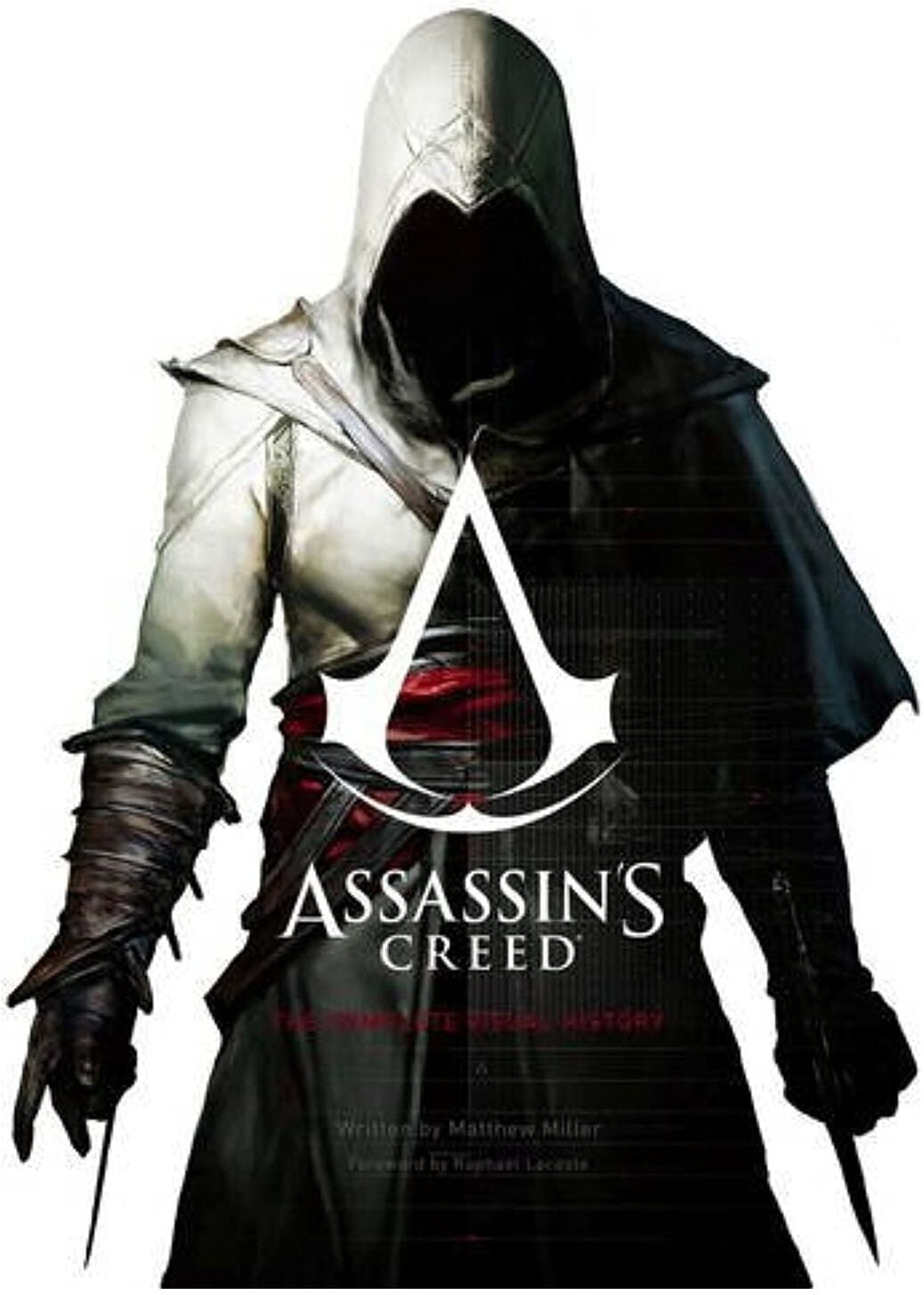
Titan Assassins Creed - The Complete Visual History: The Definitive Visual HistoryThis stunning book explores the rich mythology of Assassins Creed®, featuring the art and history of the series from the first groundbreaking game through the graphic novels to the DLCs. Highlighting the lush and vibrant art that has become a hallmark of the series, this luxury coffee-table book brings the games famous historical locations and figures to life and explores the evolution of each iconic Assassin and Templar.15,99 £*Shipping: 2,99 £Secure redirect to the provider
-
Is history reported one-sidedly in history books?
History is often reported one-sidedly in history books, as they are typically written from the perspective of the dominant or victorious group. This can lead to the experiences and perspectives of marginalized or oppressed groups being overlooked or misrepresented. It is important for readers to critically analyze multiple sources and perspectives to gain a more comprehensive understanding of historical events. By seeking out diverse viewpoints and voices, a more balanced and nuanced understanding of history can be achieved. **
-
Should history classes teach more about African history?
Yes, history classes should teach more about African history. African history is rich and diverse, with a long and complex history that has often been overlooked or marginalized in traditional history curriculums. By including more African history in the curriculum, students can gain a more comprehensive understanding of the world and the interconnectedness of different cultures and societies. This can also help to challenge stereotypes and misconceptions about Africa and its people, and promote a more inclusive and accurate portrayal of global history. **
-
Is our perspective on history manipulated by history lessons?
Our perspective on history can be influenced by history lessons, as they often present a particular narrative or interpretation of events. History lessons may focus on certain events or figures while omitting others, leading to a biased view of the past. Additionally, the way history is taught can shape our understanding of key concepts such as power, identity, and progress. It is important to critically analyze the information presented in history lessons and seek out diverse perspectives to develop a more nuanced understanding of the past. **
-
Is our perspective on history manipulated by history classes?
Yes, our perspective on history can be manipulated by history classes. History classes often focus on specific events, figures, and narratives that align with the dominant cultural and political perspectives of the time. This can lead to the omission or downplaying of certain perspectives, events, and voices, which can shape our understanding of history in a biased way. Additionally, the way history is taught and the materials used in history classes can also influence how we perceive and interpret historical events. It is important to critically analyze and seek out diverse sources of information to gain a more comprehensive understanding of history. **
What is subjective history and what is objective history?
Subjective history refers to the interpretation of historical events through the lens of personal opinions, biases, and emotions. It is influenced by individual perspectives and can vary depending on the storyteller. On the other hand, objective history aims to present facts and events based on evidence and research, without personal bias or interpretation. It strives to provide an accurate and unbiased account of past events. **
What is the difference between history and contemporary history?
History refers to the study of past events, people, and societies, typically focusing on events that occurred before the present time. It involves the analysis and interpretation of primary sources and the understanding of how past events have shaped the world we live in today. On the other hand, contemporary history focuses on the study of recent events, typically from the 20th century to the present day. It involves the analysis of current events and their impact on society, politics, and culture. While history looks at events that have already occurred, contemporary history examines ongoing and recent developments. **
Top-Angebote
Products related to History:
-
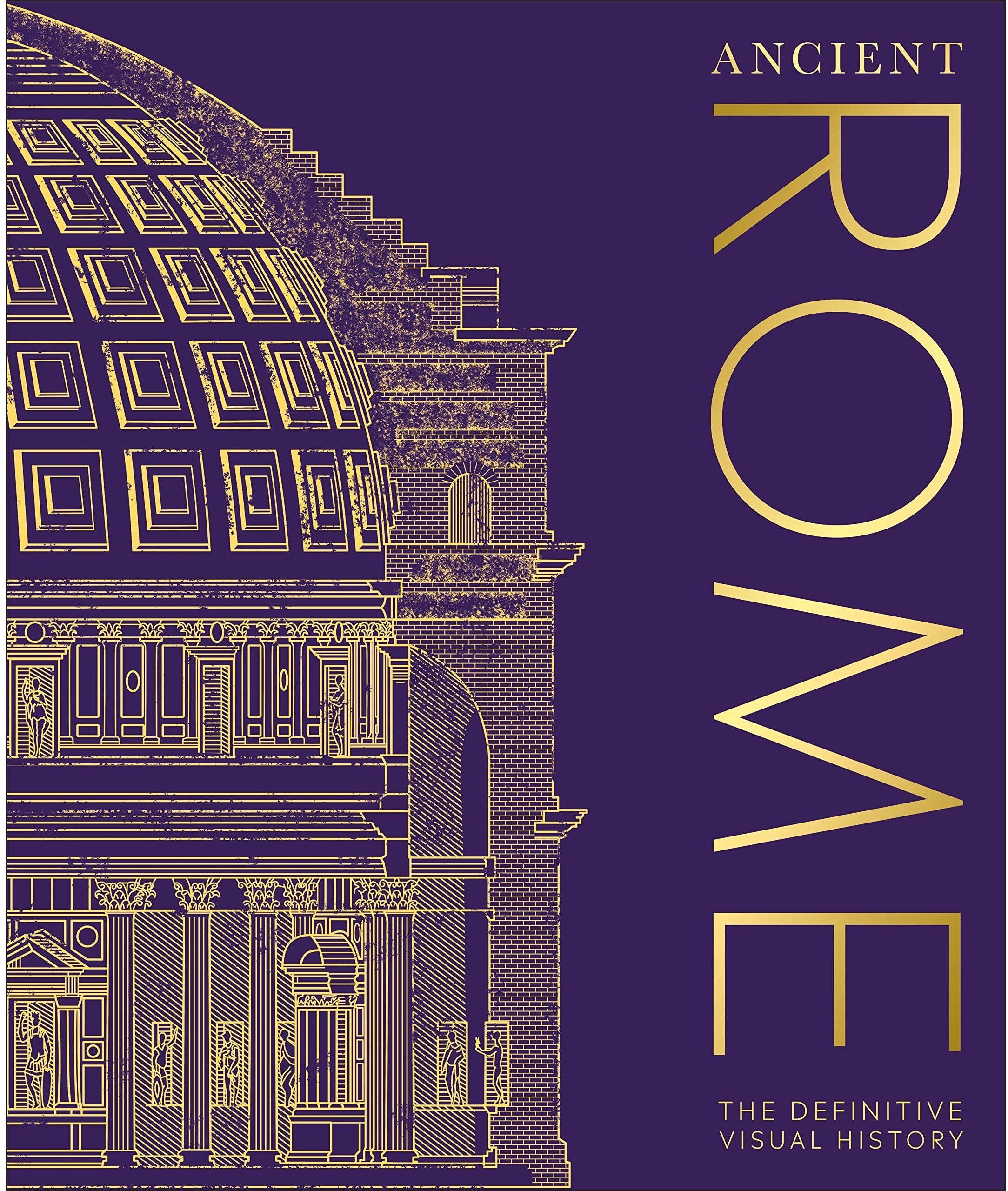
Ancient Rome: The Definitive Visual History (DK Classic History)Immerse yourself in the history of ancient Rome - from its origins as a small settlement on the Palatine Hill to its peak as an empire reigning over 90 million people, and its tumultuous decline. Covering more than 1,000 years of history, and an empire that stretched from Scotland to Syria, Ancient Rome reveals in vivid detail all of the key political, cultural, and military events that shaped the Roman Empire and explores what it was like to live in a society that laid the foundations for many aspects of the modern world. Sumptuous photography and engaging text cover every facet of life in ancient Rome, from art, entertainment, and fashion to engineering, medicine, and war, while detailed maps trace the rise of the mighty Roman Empire. Step back in time in the pages of this history book to discover:- Themed spreads explore developments in areas such as sculpture, religion, warfare, and engineering. - Includes tales of the most dramatic events and battles in Roman history, as well as profiles of influential historical and cultural figures. - An optional 80pp reference section includes sections on rulers, gods and goddesses, and key sites. Featuring Rome's greatest emperors, from Augustus to Constantine, as well as profiles of generals, historians, and influential women, Ancient Rome also delves into the fascinating stories of gladiators, bakers, and enslaved people. The most iconic buildings of Rome are brought to life with specially commissioned CGI recreations, while the stories of ordinary citizens, soldiers, and persecuted groups from across the empire are told with the help of illustrations, artefacts, and eyewitness accounts. Beautifully illustrated and unparalleled in scope, Ancient Rome is the perfect book for anyone who is interested in this defining period of world history.19,95 £*Shipping: 2,99 £Secure redirect to the provider
-
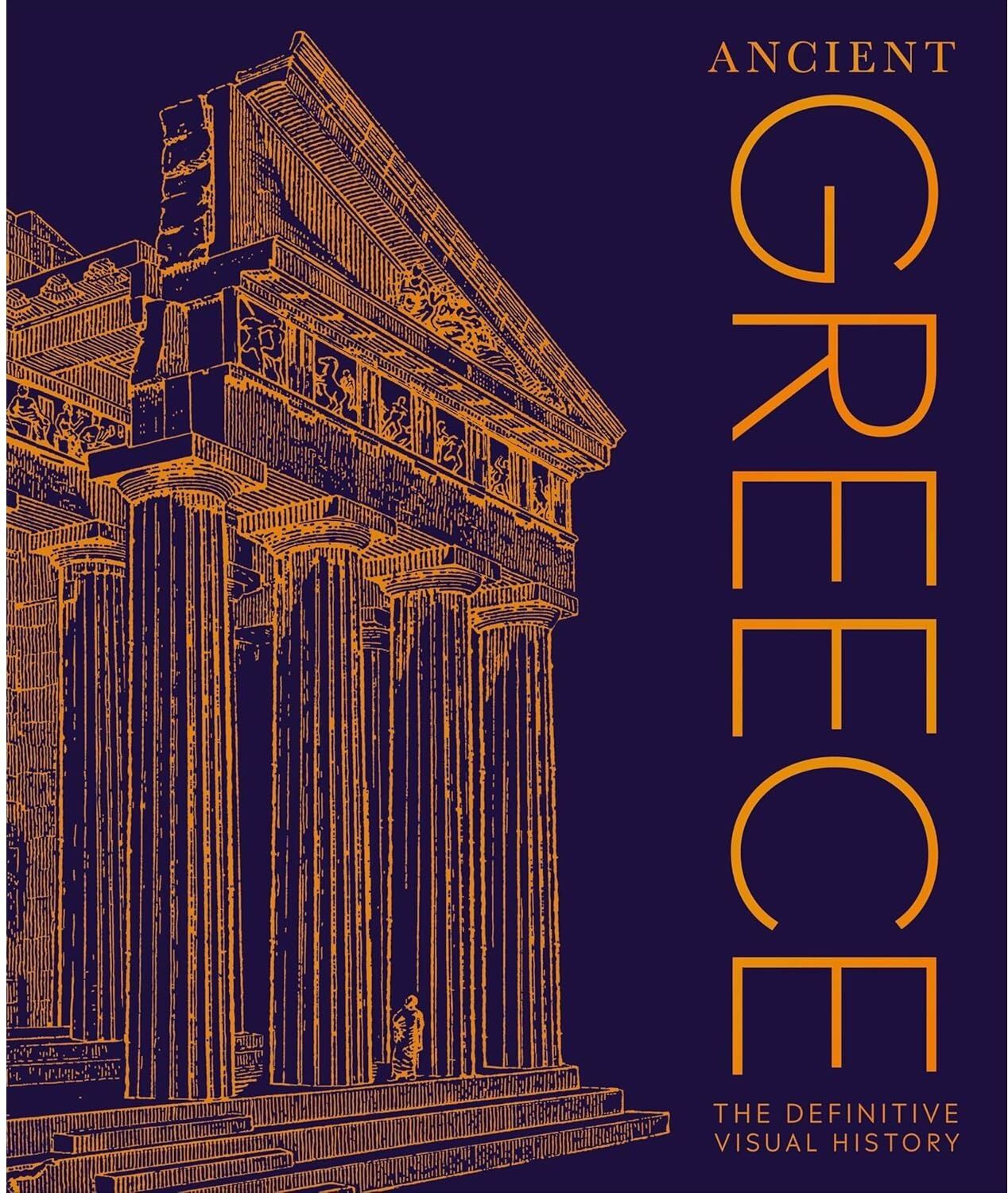
Ancient Greece: The Definitive Visual History (DK Classic History)Embark upon a fascinating journey through ancient Greece – from its rise and fall to its lasting legacy throughout the Western world. Spanning more than 3,000 years, Ancient Greece explores the tumultuous history of this glorious empire in vivid detail – from its Minoan and Mycenaean origins to the apogee of the warring city-states of Athens and Sparta, and from the death of its most charismatic leader, Alexander the Great, to its ultimate defeat by Rome. Sumptuous photography and authoritative, engaging text cover every facet of life in ancient Greece, from art, entertainment, and schools of thought to politics, medicine, and war, while the myths and religious beliefs of the ancient culture are explored and explained in depth. Greece’s military and political power shines through in fascinating maps of its legendary battles. Buried palaces and the Athenian Agora where Plato and Socrates discussed philosophy are brought back to life with stunning CGI artworks. And the stories of everyone from ordinary citizens to lawmakers and the first Olympic athletes are retold through eyewitness accounts and original artefacts.19,99 £*Shipping: 2,99 £Secure redirect to the provider
-
Titan Assassins Creed - The Complete Visual History: The Definitive Visual HistoryThis stunning book explores the rich mythology of Assassins Creed®, featuring the art and history of the series from the first groundbreaking game through the graphic novels to the DLCs. Highlighting the lush and vibrant art that has become a hallmark of the series, this luxury coffee-table book brings the games famous historical locations and figures to life and explores the evolution of each iconic Assassin and Templar.15,99 £*Shipping: 2,99 £Secure redirect to the provider
-
What does the cartoon history of Western integration mean?
The cartoon history of Western integration depicts the gradual process of unification and cooperation among Western countries. It shows how the European Union has evolved from the initial formation of the European Coal and Steel Community to the establishment of a single market and the adoption of a common currency. The cartoon highlights the challenges and achievements of Western integration, emphasizing the importance of collaboration and unity in addressing common issues and promoting peace and prosperity. Overall, it conveys the message that Western integration has been a complex and ongoing journey towards greater political, economic, and social cohesion. **
-
What is the difference between data integration and data consolidation?
Data integration involves combining data from different sources and formats into a single, unified view. This process ensures that the data is consistent and can be easily accessed and analyzed. On the other hand, data consolidation involves gathering data from different sources and storing it in a centralized location. This process helps to eliminate data silos and provides a single source of truth for the organization. In summary, data integration focuses on combining data for analysis and usage, while data consolidation focuses on centralizing data storage. **
-
Is history reported one-sidedly in history books?
History is often reported one-sidedly in history books, as they are typically written from the perspective of the dominant or victorious group. This can lead to the experiences and perspectives of marginalized or oppressed groups being overlooked or misrepresented. It is important for readers to critically analyze multiple sources and perspectives to gain a more comprehensive understanding of historical events. By seeking out diverse viewpoints and voices, a more balanced and nuanced understanding of history can be achieved. **
-
Should history classes teach more about African history?
Yes, history classes should teach more about African history. African history is rich and diverse, with a long and complex history that has often been overlooked or marginalized in traditional history curriculums. By including more African history in the curriculum, students can gain a more comprehensive understanding of the world and the interconnectedness of different cultures and societies. This can also help to challenge stereotypes and misconceptions about Africa and its people, and promote a more inclusive and accurate portrayal of global history. **
Similar search terms for History
-
Is our perspective on history manipulated by history lessons?
Our perspective on history can be influenced by history lessons, as they often present a particular narrative or interpretation of events. History lessons may focus on certain events or figures while omitting others, leading to a biased view of the past. Additionally, the way history is taught can shape our understanding of key concepts such as power, identity, and progress. It is important to critically analyze the information presented in history lessons and seek out diverse perspectives to develop a more nuanced understanding of the past. **
-
Is our perspective on history manipulated by history classes?
Yes, our perspective on history can be manipulated by history classes. History classes often focus on specific events, figures, and narratives that align with the dominant cultural and political perspectives of the time. This can lead to the omission or downplaying of certain perspectives, events, and voices, which can shape our understanding of history in a biased way. Additionally, the way history is taught and the materials used in history classes can also influence how we perceive and interpret historical events. It is important to critically analyze and seek out diverse sources of information to gain a more comprehensive understanding of history. **
-
What is subjective history and what is objective history?
Subjective history refers to the interpretation of historical events through the lens of personal opinions, biases, and emotions. It is influenced by individual perspectives and can vary depending on the storyteller. On the other hand, objective history aims to present facts and events based on evidence and research, without personal bias or interpretation. It strives to provide an accurate and unbiased account of past events. **
-
What is the difference between history and contemporary history?
History refers to the study of past events, people, and societies, typically focusing on events that occurred before the present time. It involves the analysis and interpretation of primary sources and the understanding of how past events have shaped the world we live in today. On the other hand, contemporary history focuses on the study of recent events, typically from the 20th century to the present day. It involves the analysis of current events and their impact on society, politics, and culture. While history looks at events that have already occurred, contemporary history examines ongoing and recent developments. **
* All prices are inclusive of VAT and, if applicable, plus shipping costs. The offer information is based on the details provided by the respective shop and is updated through automated processes. Real-time updates do not occur, so deviations can occur in individual cases. ** Note: Parts of this content were created by AI.